Furniture Linoleum

Discover the invention and evolution of and the many benefits of furniture linoleum.
Linoleum Inventor
Sir Frederick Walton followed in the footsteps of his father, James Walton, an inventor and business industrialist in the mid-1800s. Frederick, like his father, established many different businesses as discoveries and experimentation in the textile industry led him to inventions and innovations.
A holder of more than 100 patents, Sir Walton continually tried new techniques and observed what others missed. Having noticed that a moldable skin of dried linseed oil formed on the surface of flaxseed oil-based paints, he set about to figure out how to artificially accelerate this natural oxidization process. Initially seeking to use oxidized oil as a replacement for rubber, he discovered that combining the oil with cork flour and coloring agents produced a useful material for floor covering. Linoleum flooring is manufactured from linseed oil, a flour of wood, cork, or other manufacturing byproduct, resins, and jute.

Photo © Mike Smith (cc-by-sa/2.0)
In 1863, Walton registered his patent for linoleum, and a year later founded the first linoleum factory near London. Even today, plain-colored, pattern-free linoleum floor coverings are referred to as Walton in homage to the inventor.
The material has stood the test of time and transformed the design landscape though its popularity has waxed and waned. Plain linoleum, without design, was popular from the close of the 19th century until the mid-1930s, when decorative linoleum was developed.
Beyond Floors
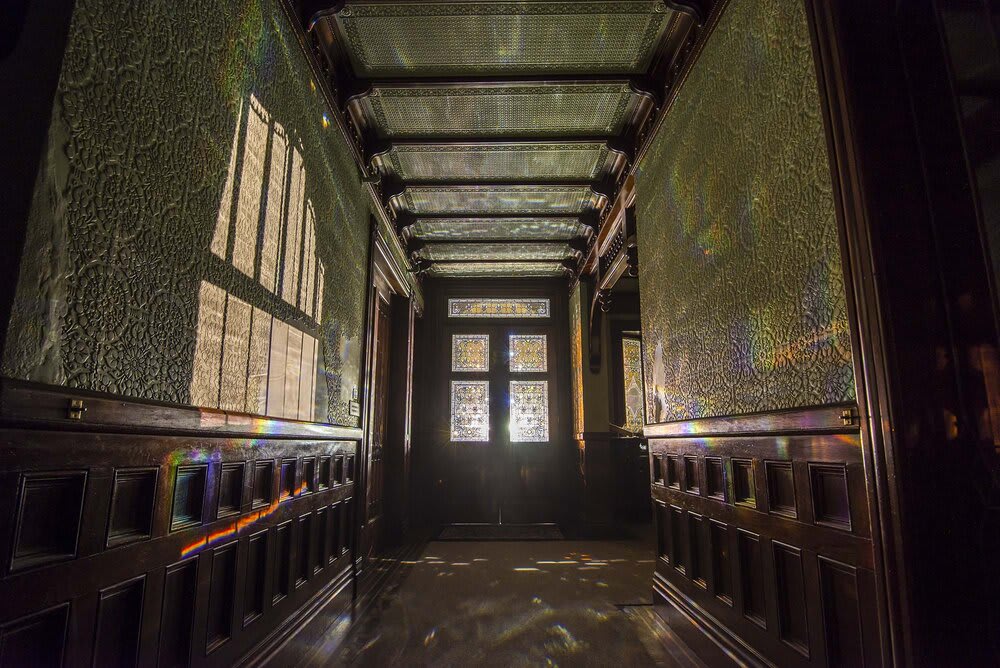
Late in the 19th century, Walton developed Lincrusta, a popular deeply embossed Victorian wallcovering based on linoleum floor covering.
The durable Lincrusta was used in a wide variety of applications from royal and upscale homes to railway carriages to hotel foyers. Many installations over a hundred years old can still be found throughout the world…a testament to the sustainability and durability of linoleum.
Notable public installations included six staterooms aboard the Titanic, the White House, and the mansion that is now Winchester Mystery House in San Jose, California (pictured).
From floors to walls and ceilings to furniture. Internationally renowned designer and a leading representative of Dutch design, Stefan Scholten, commissioned by Forbo Flooring, was inspired by the naturalness of linoleum to study its composition and adapt the type of “flour” added to the product. His furniture linoleum, sometimes called marmoleum, product development led to flexible fabrics in soft earthy tones to be used in furniture finishing. It was suitable for soft curves and organic shapes on vertical or horizontal surfaces and offered a soft warm feel with incredible durability.
The history of linoleum is significantly influenced by the innovative ideas of the Bauhaus architects, who recognized the potential of elastic flooring back in the 1920s and applied it in many of their buildings.
Architect and freelance artist, Heike Hanada, designed the new Bauhaus-Museum Weimar in Weimar, Germany, with a gray Walton from Forbo Flooring to imbue a purist concrete look in its corridors and other functional areas. Architect, Reiner Becker, employed the Berlin Red Walton for the new Bibliothek Am Bauhaus library in Dessau-Roßlau, Germany. Architects and designers have included linoleum in modern designs for more than 150 years.
Linoleum on Cabinetry
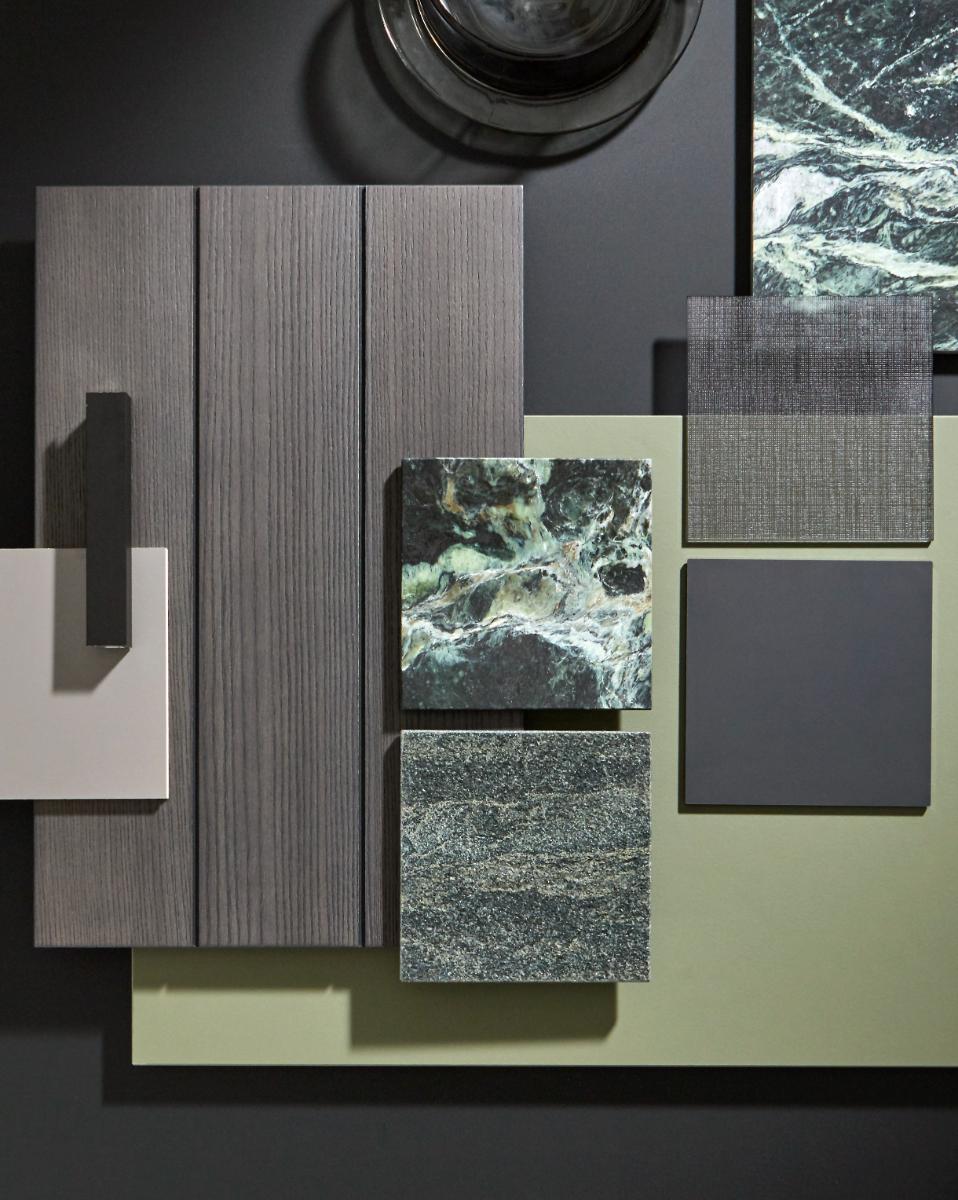
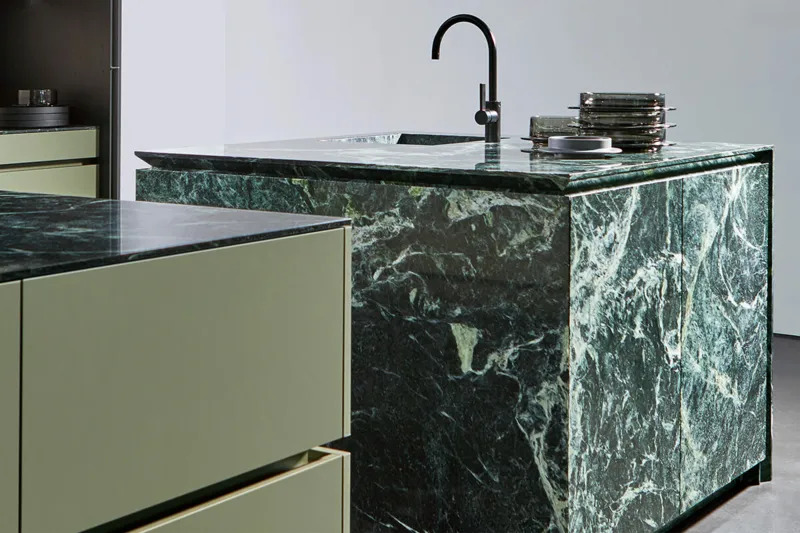
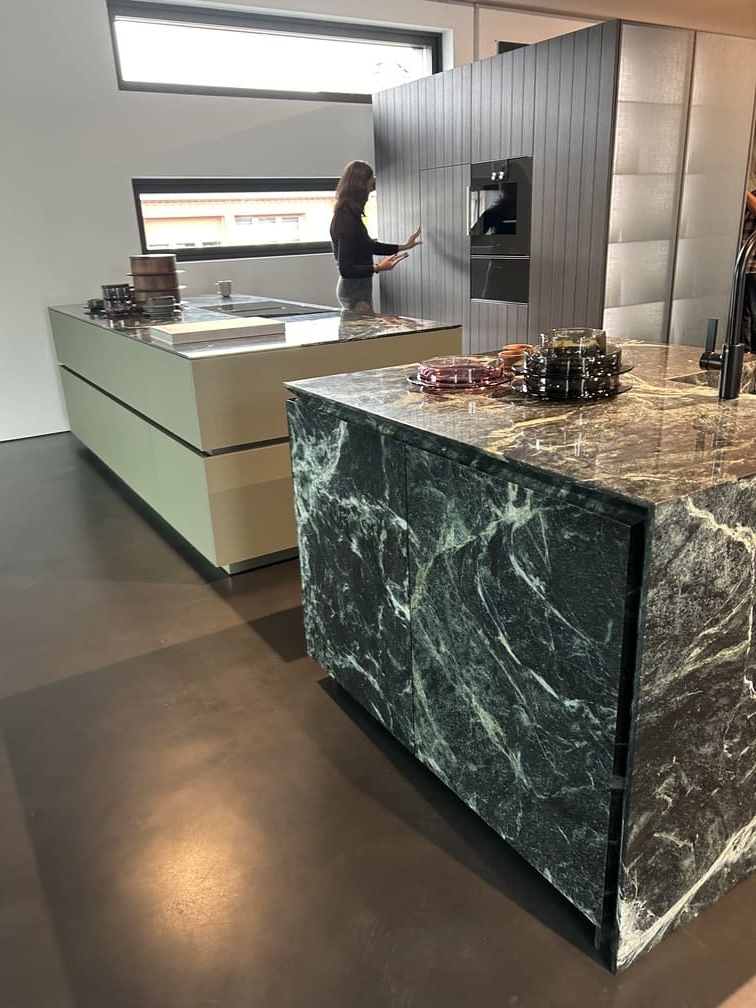
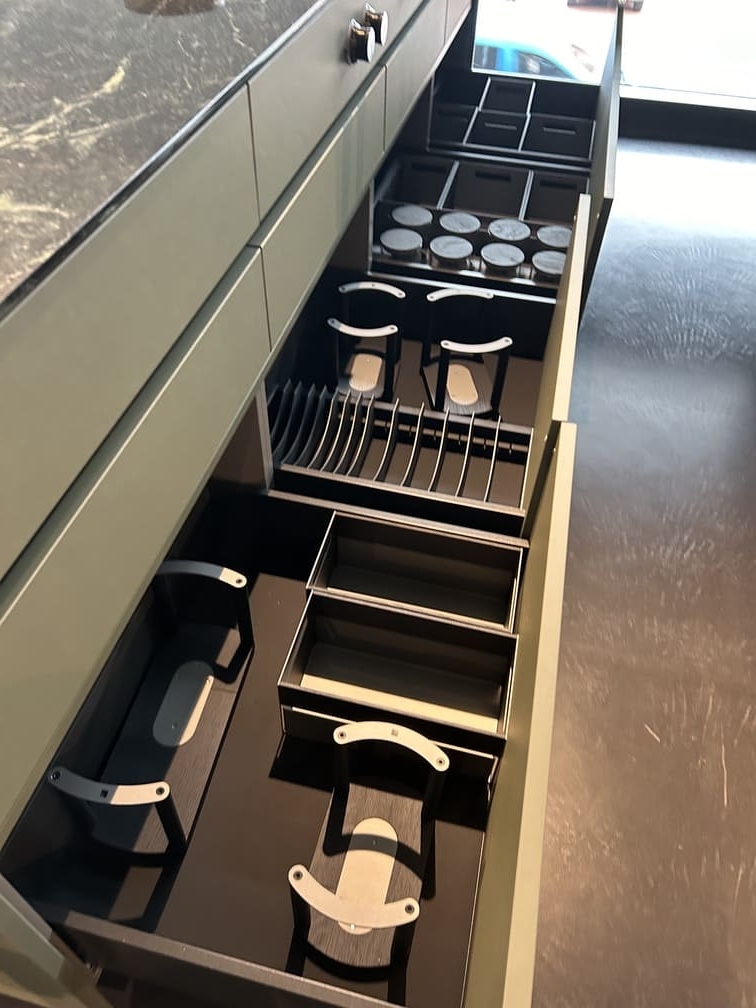
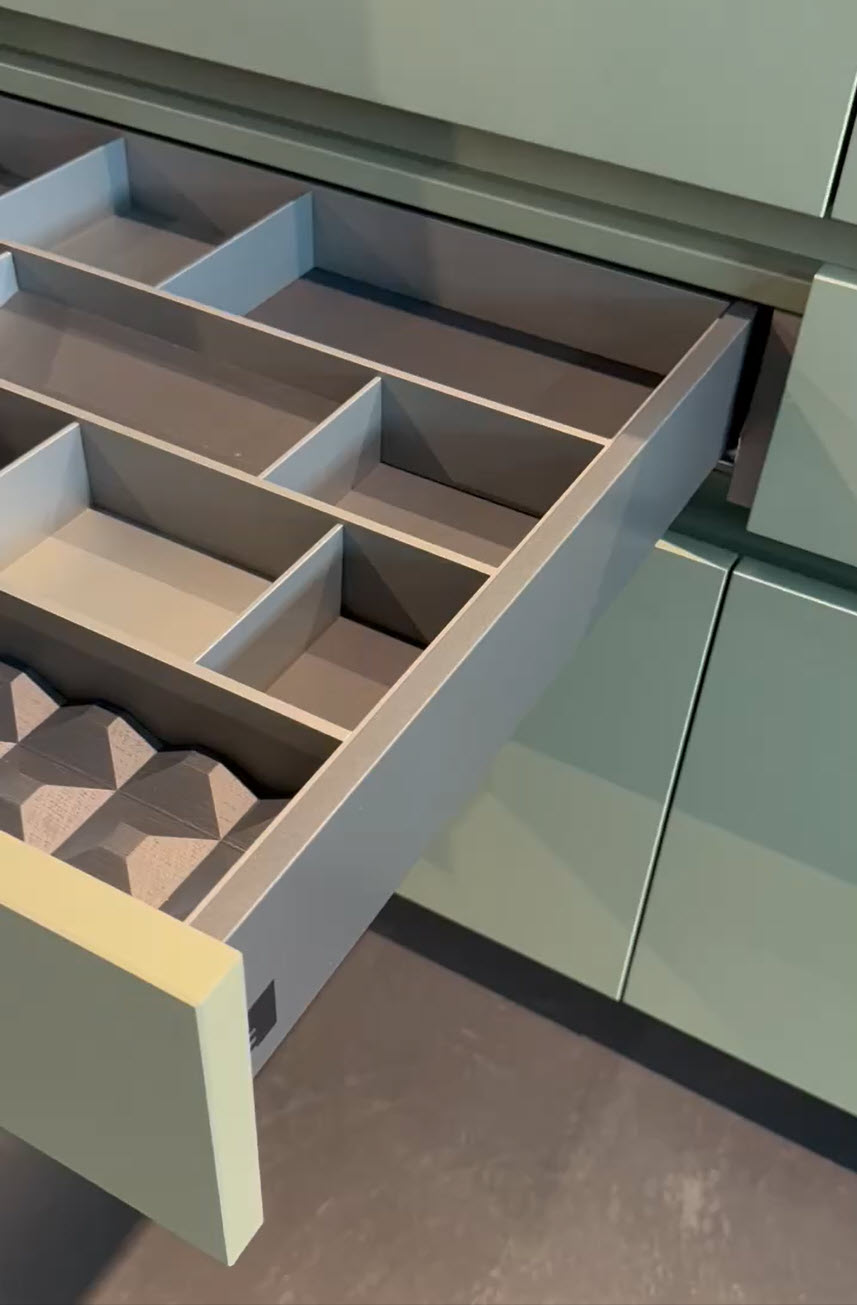
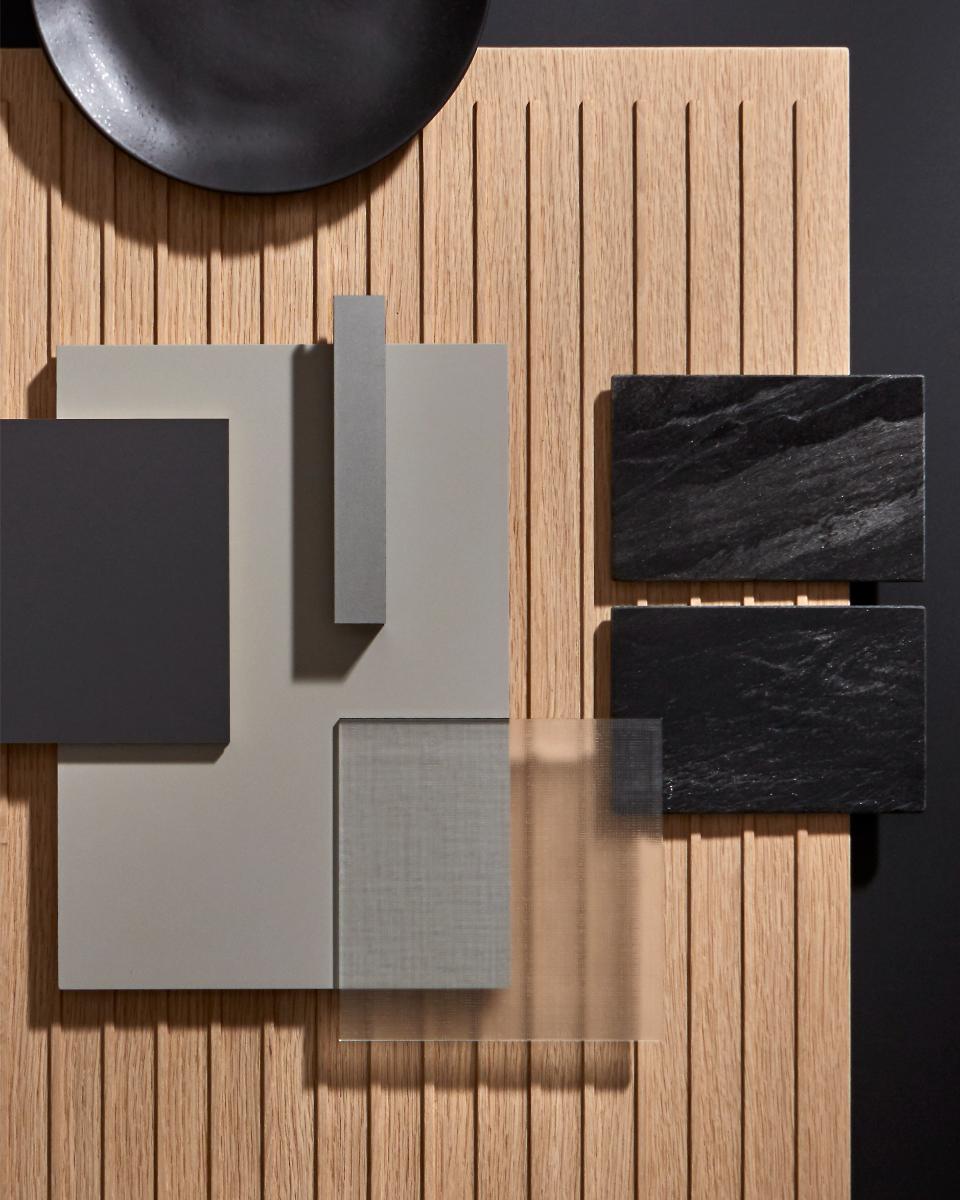
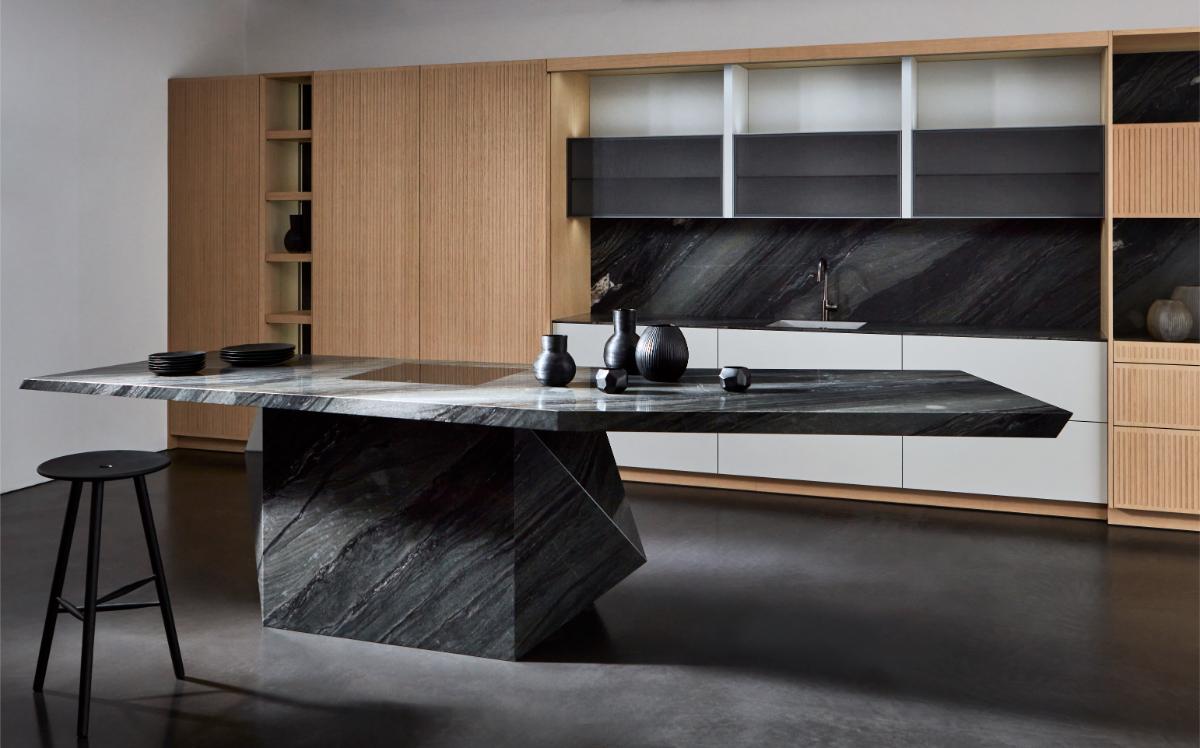
Where could linoleum possibly go next? To cabinetry! eggersmann offers speciality linoleum in its Portland range. This cabinet cladding offers an elegant, high-quality look with an exceptionally soft and natural feel. It is naturally non-toxic and hygienic, repels dust with its anti-static properties, and hides fingerprints with its matt survace. Its color remains vibrant and true. The composition materials are sustainable and earth-friendly requiring no chemical finish.
Once relegated to the past as a cheap alternative to flooring, its bad reputation with some is not due to real linoleum, but rather the imitation vinyls that were popularized following World War II. Modern furniture linoleum brings elegance and versatility to contemporary aesthetics. Its durability and eco-friendly properties highlight its position in today’s world where sustainability in using responsibly sourced raw materials in long-lived products are gaining focus. Furniture linoleum is a smart investment for quality and style.
Embrace the future of design with eggersmann Furniture Linoleum: where tradition of craftsmanship meets modernity in every exquisite detail.